How to Choose the Right Fire Alarm System for Your Commercial Building
Written by Facility Servicing Group Ltd, 27th April 2026 - 5 min read
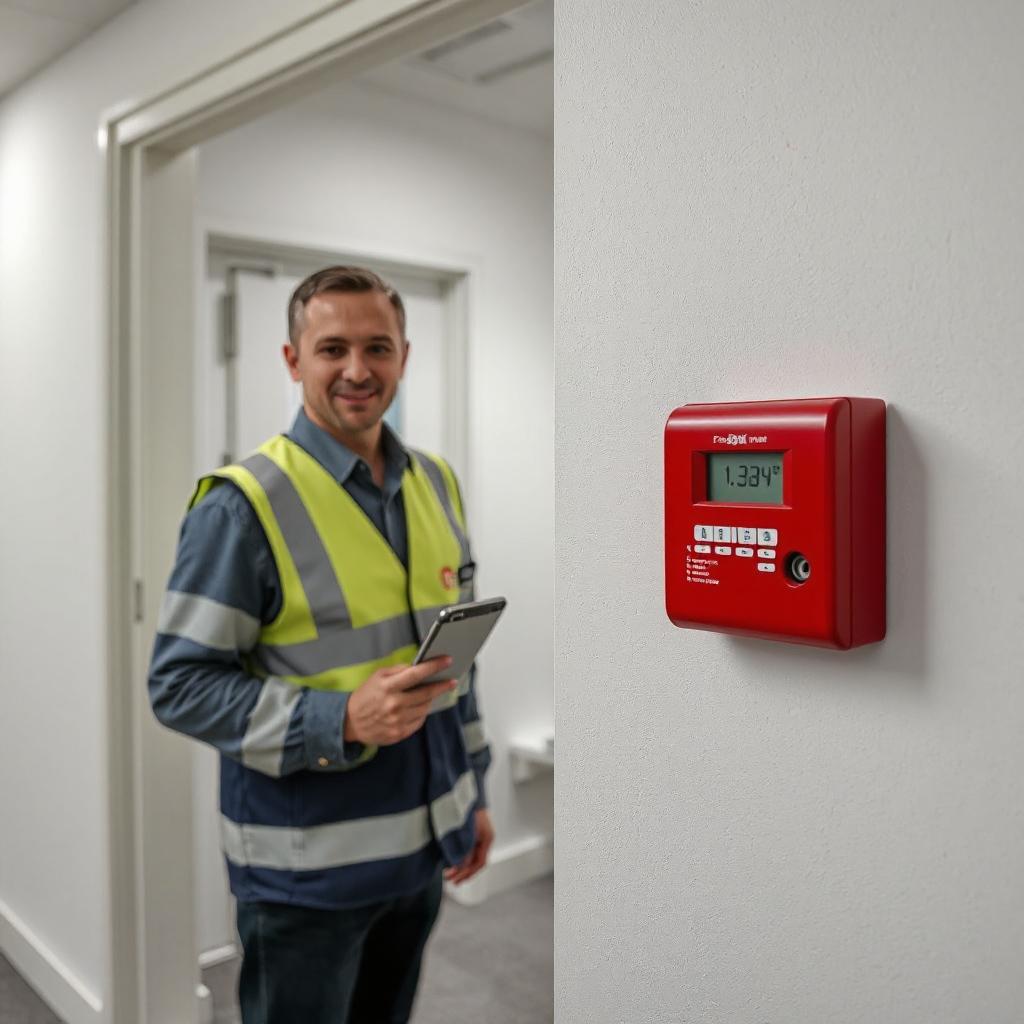
❝ Picking the right fire alarm system for your commercial building is one of the most important safety decisions you will make. The system you choose protects lives, safeguards property, and keeps your business running smoothly. A poorly chosen system can lead to false alarms, compliance issues, and even higher insurance costs. Getting it right means understanding your building's needs, knowing what technology is available, and meeting all UK legal requirements.
Why Your Choice of Fire Alarm System Matters for Commercial Safety
Understanding Different Types of Fire Alarm Systems
Four main types of fire alarm systems are used in UK commercial buildings. Each has different capabilities, costs, and ideal applications. Understanding these differences helps you match the right technology to your building's size, layout, and risk profile.
Conventional Fire Alarm Systems
Addressable Fire Alarm Systems
Addressable systems assign a unique address to every detector, call point, and sounder in your building. When a device activates, the control panel displays its exact location, often down to the room or corridor. This pinpoint accuracy helps emergency responders reach the fire quickly and reduces investigation time for false alarms.
Larger commercial buildings and multi-floor premises benefit most from addressable technology. These systems support hundreds or even thousands of devices on a single loop. You can program sophisticated cause and effect responses, where specific detectors trigger designated actions like closing fire doors or shutting down air handling systems.
Addressable systems integrate seamlessly with building management platforms, CCTV networks, and access control. While initial costs are higher than conventional systems, the operational benefits and flexibility make them more economical for medium to large commercial properties.
Wireless Fire Alarm Systems
Analogue Addressable Systems
What Detection Types Should You Consider?
Choosing the right detectors for different areas of your building is just as important as selecting the alarm system type. Different detection technologies respond to different fire characteristics and environmental conditions.
Smoke Detection Technologies
Heat Detectors for Specific Environments
Beam Detectors for Large Open Spaces
Beam detectors project an infrared light beam across large areas. A receiver on the opposite wall monitors the beam. When smoke obscures the beam by a certain percentage, the detector triggers an alarm. Single beams can protect areas up to 100 meters long.
Warehouses, atriums, sports halls, and shopping centres with high ceilings benefit from beam detection. Traditional point detectors would be difficult to install and maintain at these heights. Beam detectors provide reliable coverage with fewer devices.
Installation requires careful alignment and stable mounting points on both walls. Building movement, vibration, or structural settlement can affect beam alignment. Regular testing and maintenance ensure the beam remains correctly aligned and the system responds to smoke as intended.
Assessing Your Building's Specific Requirements
Every commercial building has unique fire safety needs based on its size, layout, occupancy, and use. A thorough assessment ensures your fire alarm system provides appropriate protection without over-engineering or under-protecting your premises.
Building size and layout determine system complexity. Single-floor premises under 300 square meters might need only a conventional system. Multi-floor buildings, complex layouts, or premises over 1,000 square meters typically require addressable technology for effective management.
Occupancy characteristics matter significantly. Buildings where people sleep, like hotels or care homes, need faster detection and earlier warning than office buildings. Public buildings with high visitor numbers require clear, unmistakable alarm signals and well-planned evacuation routes.
Your fire risk assessment identifies specific hazards and guides system design. High fire load areas like storage rooms need more intensive detection. Areas with ignition sources like kitchens or plant rooms require appropriate detector types. Our comprehensive fire alarm services include detailed risk assessment and system design tailored to your premises.
Different sectors face specific requirements. Retail premises need systems that minimize customer disruption during testing. Industrial sites require robust detectors that withstand harsh environments. Healthcare facilities must integrate fire alarms with nurse call systems and disabled refuge points. Office environments benefit from systems that support flexible space planning.
Compliance Standards You Must Meet in the UK
BS 5839-1 is the British Standard for fire detection and alarm systems in non-domestic premises. This comprehensive standard covers system design, installation, commissioning, and maintenance. All commercial fire alarm systems in the UK should comply with BS 5839-1 to meet legal requirements and insurance conditions.
The standard defines different system categories based on protection objectives. L1 systems provide the highest level of protection, with detectors in all areas to give earliest warning. L2 systems protect defined escape routes and high-risk areas. L3 systems cover escape routes only. L4 systems protect specific rooms or areas. L5 systems are designed for specific purposes not covered by L1 to L4.
Most commercial buildings require L2 or L3 systems. Sleeping accommodation, high-rise buildings, and premises with significant fire risk typically need L1 or L2 coverage. Your fire risk assessment and building regulations approval will specify which category applies to your premises.
Third-party certification provides independent verification that your system meets required standards. Certification bodies like BAFE or NSI assess system design, installation quality, and ongoing maintenance. Many insurance companies require third-party certified systems. Integration with passive fire protection strategies and fire door installation and compliance ensures your complete fire safety strategy meets all regulatory requirements.
Key Features That Add Value to Your Fire Alarm System
Modern fire alarm systems offer features beyond basic detection and warning. These capabilities improve safety, reduce false alarms, and integrate with other building systems.
Cause and effect programming creates automated responses to fire conditions. When detectors in a specific area activate, the system can close fire doors, shut down ventilation systems, unlock access control doors, or activate emergency lighting. These programmed responses happen instantly without human intervention, improving safety and containing fire spread.
Integration with disabled refuge systems ensures people who cannot use stairs receive help during evacuation. Two-way communication panels in refuge areas connect to the fire alarm system and alert staff to occupied refuge points. Voice alarm systems provide clear spoken instructions that reduce panic and guide effective evacuation, especially in large or complex buildings.
Remote monitoring connects your fire alarm to a central station that receives signals 24 hours a day. When your alarm activates, trained operators verify the signal and notify emergency services if needed. Remote monitoring provides peace of mind outside business hours and ensures rapid response even when your building is unoccupied.
False alarm management features help reduce nuisance activations. Verification delays allow staff to investigate and reset detectors before full evacuation begins. Detector sensitivity can be adjusted for different times of day or environmental conditions. Regular false alarm analysis identifies problem devices or areas needing attention.
Expansion capabilities future-proof your investment. Choose systems that support additional devices, zones, or integration with building management platforms. As your business grows or building use changes, your fire alarm system should adapt without complete replacement.
Installation Considerations for Commercial Buildings
Proper installation is critical for reliable fire alarm operation. Qualified installers with appropriate certifications ensure your system meets standards and performs as designed.
Choose installers accredited by recognized bodies like BAFE (British Approvals for Fire Equipment) or certified by the NSI (National Security Inspectorate). These accreditations demonstrate technical competence, proper training, and adherence to industry standards. Ask for evidence of manufacturer training and partnerships with leading fire alarm brands.
Project planning minimizes disruption to your business. Good installers survey your premises thoroughly, coordinate with other trades, and schedule work to avoid peak business hours. Phased installation in occupied buildings allows sections to remain operational while work progresses elsewhere.
Cable routing affects both system reliability and building aesthetics. Concealed routing maintains professional appearance but costs more and takes longer. Surface-mounted cable systems install faster and cost less but are more visible. Discuss options with your installer to balance appearance, cost, and installation time.
Testing and commissioning verify that every device works correctly and the system responds as designed. Installers must test detector sensitivity, check sounder audibility throughout the building, verify cause and effect programming, and demonstrate system operation to your staff. Comprehensive handover includes training key personnel to operate and test the system.
Documentation is essential for compliance and future maintenance. You should receive as-built drawings showing all device locations, system operation manuals, test certificates, and compliance statements. Keep these documents safe and accessible for inspections, insurance purposes, and future system modifications.
Ongoing Maintenance and Testing Requirements
Fire alarm systems require regular testing and maintenance to remain reliable and compliant. Legal requirements and industry standards specify minimum testing frequencies.
Weekly testing is your responsibility as the building operator. Test at least one call point each week, rotating through all devices over time. This simple check confirms that the system operates and alarm signals are audible. Record each test in your fire safety logbook.
Quarterly maintenance visits by competent technicians check system operation in detail. Technicians test a proportion of detectors, verify control panel functions, check battery backup, and inspect for damage or environmental issues. These visits identify developing problems before they cause system failure.
Annual servicing provides comprehensive testing and maintenance. Technicians test every device, verify all system functions, check wiring integrity, and perform battery load tests. Annual service includes cleaning detectors to maintain sensitivity and updating system software if applicable. Our planned preventative maintenance programmes ensure your system receives timely attention.
Five-year replacement cycles apply to smoke detectors and other sensors. Detector sensitivity drifts over time, increasing false alarm risk or reducing fire response. Replacing detectors every five years maintains reliable operation. Some analogue addressable systems monitor detector condition and indicate when replacement is needed.
Record keeping proves compliance during inspections. Maintain a fire safety logbook recording all tests, maintenance visits, false alarms, and system modifications. These records demonstrate your commitment to safety and help identify recurring issues. Our proactive service approach includes comprehensive documentation and maintenance scheduling.
Budgeting for Your Fire Alarm System Investment
Fire alarm system costs vary widely based on building size, system type, and feature requirements. Understanding cost components helps you budget accurately and evaluate quotes fairly.
Initial system costs depend primarily on the number of devices needed and system type chosen. Conventional systems cost less per device but offer fewer features. Addressable systems cost more initially but provide better value in larger buildings. Expect to pay between £2,000 and £5,000 for small conventional systems, £5,000 to £15,000 for medium addressable installations, and £15,000 to £50,000 or more for large or complex projects.
Installation expenses include labour, materials, cable routing, and disruption management. Labour typically represents 50% to 60% of total project cost. Complex cable routing in finished buildings increases installation time and cost. Projects requiring work outside normal hours or in occupied buildings carry premium charges.
Annual maintenance contracts cost approximately 10% to 15% of initial system value. These contracts include quarterly visits, annual comprehensive service, emergency callout cover, and small repairs. Maintenance contracts provide budget certainty and ensure your system receives timely attention.
Long-term value comes from reliability, reduced false alarms, and lower insurance premiums. Cheap systems from inexperienced installers often generate false alarms, require frequent repairs, and fail compliance inspections. Quality systems from reputable providers deliver years of trouble-free operation and lower lifetime costs.
Insurance premium reductions can offset system costs over time. Many insurers offer discounts of 5% to 15% for buildings with compliant, monitored fire alarm systems. Discuss potential savings with your insurance broker when planning your fire alarm investment.
Questions to Ask Your Fire Alarm System Provider
Choosing the right fire alarm provider is as important as selecting the right system. Ask these questions to verify competence, reliability, and suitability for your project.
Verify industry certifications and accreditations. Is the company BAFE registered or NSI approved? What manufacturer training and partnerships does the company hold? Third-party certification demonstrates technical competence and commitment to quality standards.
Understand warranty terms and maintenance agreements. What warranty period covers equipment and installation? What response times apply for emergency callouts? Are spare parts readily available? Clear terms prevent disputes and ensure ongoing support.
Response times for emergency callouts matter when your fire alarm fails. Can the provider attend your site within four hours for urgent faults? Do they stock common spare parts for quick repairs? Local providers typically offer faster response than national companies with distant service centres.
Experience with your building type or sector reduces project risk. Has the provider installed similar systems in comparable buildings? Can they provide references from clients in your industry? Relevant experience means better system design and fewer complications during installation.
References and case studies demonstrate real-world performance. Speak to existing customers about system reliability, service quality, and problem resolution. Good providers willingly share references and welcome customer feedback.
How Facility Sevicing Group Can Help You Choose the Right Fire Alarm System
Facility Servicing Group brings extensive fire alarm expertise to commercial clients across East Anglia. Our Norwich-based team serves businesses throughout Norfolk, Suffolk, and Cambridgeshire with comprehensive fire safety solutions.
We work with leading fire alarm manufacturers to specify reliable systems matched to your building and budget. Our design process begins with detailed site surveys and risk assessment. We consider your building layout, occupancy patterns, business operations, and future plans to recommend the most appropriate solution.
Our comprehensive assessment examines all aspects of your fire safety needs. We evaluate integration requirements with existing building systems, identify optimal detector locations for reliable performance, and specify features that add value without unnecessary complexity. Our recommendations balance regulatory compliance, operational needs, and budget constraints.
Full lifecycle support means we remain your partner long after installation. Our maintenance teams provide regular testing, annual servicing, and emergency repairs across Ipswich, Cambridge, Great Yarmouth, and surrounding areas. We monitor system performance, recommend upgrades when beneficial, and ensure your fire alarm remains compliant and reliable.
Local presence gives us advantages over national competitors. We respond quickly to emergency callouts, understand local building styles and challenges, and build lasting relationships with our clients. Our reputation in East Anglia depends on delivering excellent service to every customer. Learn more about our comprehensive protection measures and how we support commercial fire safety.
Frequently Asked Questions
What is the difference between L1 and L5 fire alarm systems?
L1 systems provide maximum protection with detectors installed throughout the entire building, including all rooms, voids, and roof spaces. They give the earliest possible warning of fire anywhere in the premises. L5 systems are designed for specific protection requirements not covered by L1 to L4 categories, such as protecting specific equipment or processes. Most commercial buildings use L2 or L3 systems that balance protection level with cost.
Choosing the right fire alarm system protects lives, property, and your business reputation.
Take time to understand your building's needs, evaluate available technologies, and select experienced providers. The investment in a properly designed, installed, and maintained fire alarm system pays dividends through reliable protection, regulatory compliance, and peace of mind for years to come.


Facility Servicing Group Ltd provides comprehensive protection for properties across the UK. As a trusted system and service provider, we serve corporate, commercial, and residential clients with expert fire alarm installation, access control, CCTV, property maintenance, security gates / barriers, and intruder alarms throughout East Anglia.
Contact Us
- support@facilityservicinggroup.com
- 01603 552020
- Unit 5,
Woodland Park Industrial Estate,
Shortthorn Rd, Norwich,
Norfolk, NR10 5NU
©Facility Servicing Group Ltd 2026, All rights reserved.
Company Registration Number 13654497. Registered in England.
Registered Office: Unit 7 Beech Avenue, Taverham Norwich Norfolk NR8 6HW.